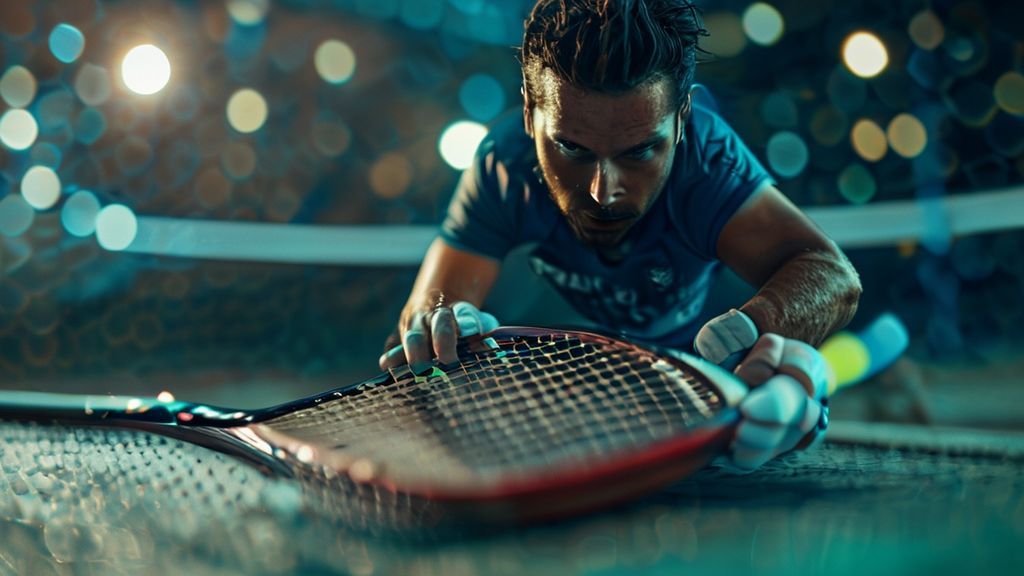
The sporting world is experiencing a seismic shift, with padel and pickleball rapidly emerging from niche activities to mainstream sensations. These dynamic racket sports, known for their accessibility and engaging gameplay, are attracting players of all ages and skill levels, leading to an unprecedented surge in demand for court facilities. For sports clubs, leisure centers, and private venues, this “new cricket” presents both an exciting opportunity and a significant management challenge. The key to thriving in this evolving landscape lies in strategic planning, smart technology adoption, and meticulous facility maintenance.
Effectively managing the padel and pickleball craze requires more than just building new courts. It demands an integrated approach that encompasses efficient court allocation, seamless player experience, robust facility upkeep, and proactive community engagement. Without a cohesive strategy, venues risk overwhelming their resources, frustrating players, and missing out on significant revenue potential. This guide explores how facilities can successfully navigate this boom, turning challenges into sustained growth and profitability.
The Explosive Growth of Padel and Pickleball: Opportunities and Challenges
Padel and pickleball have captivated audiences worldwide, often described as a hybrid of existing racket sports but with their own unique appeal. Padel, with its enclosed glass courts and tactical play, offers a fast-paced experience, while pickleball, a blend of tennis, badminton, and table tennis, is celebrated for its ease of learning and social nature. This rapid ascent has created a vibrant community of players, but it has also put immense pressure on existing infrastructure.
For facility managers, the primary opportunity lies in attracting a new, diverse demographic of players. The lower barrier to entry for both sports means they appeal to individuals who might have found traditional tennis too demanding or intimidating. This influx translates directly into increased membership potential, greater court rental income, and opportunities for ancillary services like coaching, pro shops, and food & beverage. The challenge, however, is equally significant: how to accommodate this burgeoning demand without compromising the quality of service or overstretching operational capabilities. Managing the conversion of existing courts or the construction of new ones, along with the subsequent scheduling and maintenance, becomes paramount.
Understanding Player Demand and Facility Needs
The first step in effective management is to understand the specific needs of padel and pickleball players. Unlike traditional tennis, which often requires a full hour or more of dedicated play, pickleball games can be shorter and more frequent, leading to higher court turnover. Padel courts, while similar in size to a doubles tennis court, are often purpose-built with specific wall structures and artificial turf. These differences impact everything from court design and maintenance schedules to optimal racket sport booking durations.
- Padel Players: Seek out specialized courts, often with specific lighting for evening play, and appreciate advanced booking options due to fewer available courts globally.
- Pickleball Players: Often seek multiple courts for round-robin play, appreciate flexible booking times, and value a social atmosphere. Many facilities are converting tennis courts or multi-use spaces, requiring clear line markings and appropriate netting.
Both groups value convenience, easy access, and a well-maintained playing environment. Meeting these expectations is crucial for player retention and positive word-of-mouth.
Optimizing Court Management with Smart Technology Solutions
In an era of high demand, manual booking systems are simply insufficient. They lead to errors, administrative burden, and player frustration. The solution lies in adopting advanced court rental software that can handle the intricacies of modern racket sports. A robust padel court booking system or pickleball scheduler is no longer a luxury but a necessity for any facility aiming for efficiency and player satisfaction.
These digital platforms automate the entire booking process, allowing players to view real-time court availability, book slots, and make payments from their smartphones or computers. This not only significantly reduces the administrative load on staff but also provides players with the flexibility and convenience they expect. The right software can transform a chaotic scheduling process into a seamless, user-friendly experience, making your facility more attractive and competitive.
Streamlining the Booking Process for Players and Staff
A good booking system offers benefits for both sides of the court. For players, it means:
- 24/7 Access: Book courts anytime, anywhere.
- Real-time Availability: See exactly which courts are open and when.
- Instant Confirmation: Receive immediate booking confirmations and reminders.
- Easy Payment: Secure online payment integration.
- Player Profiles: Manage personal details, view booking history, and find playing partners.
For facility staff, the advantages are equally compelling:
- Reduced Administrative Work: Less time spent on phone calls and manual scheduling.
- Error Reduction: Minimizes double bookings and scheduling conflicts.
- Automated Communications: Send out bulk emails for promotions, cancellations, or updates.
- Staff Management: Integrate staff schedules for coaching, maintenance, and facility oversight. Much like how businesses automate your auto detailing business: appointments & staff tracking, sports facilities benefit immensely from similar system efficiencies.
- Reporting and Analytics: Gain insights into peak times, popular courts, and player demographics.
Choosing the right software involves considering scalability, ease of use, integration capabilities (e.g., with membership systems), and customer support. Investing in a system that can grow with your facility and adapt to evolving player demands is crucial.
Leveraging Data for Strategic Decision-Making
Beyond simple booking, modern court management software provides invaluable data. This data can be analyzed to understand usage patterns, identify peak and off-peak hours, and even predict future demand. With these insights, facilities can implement dynamic pricing strategies, offering discounts during slower periods to maximize court utilization, or premium rates during high-demand slots.
Furthermore, data can inform decisions about court expansion, staffing levels, and marketing efforts. Understanding which days or times are most popular for padel versus pickleball can help optimize court allocation and even influence the design of new facilities. This data-driven approach ensures that resources are allocated efficiently and that the facility remains responsive to its community’s needs.
Maintaining Quality: Advanced Sports Turf Management and Court Care
The increased popularity of padel and pickleball inevitably leads to greater wear and tear on courts. Maintaining the quality and safety of playing surfaces is paramount, requiring a specialized approach to sports turf management and hard court maintenance. Neglecting court upkeep not only degrades the player experience but can also lead to costly repairs and potential safety hazards.
Each sport has distinct court requirements. Padel courts typically feature artificial turf and glass walls, demanding specific cleaning and maintenance protocols. Pickleball, often played on hard courts, requires regular inspection for cracks, resurfacing, and precise line marking. A proactive maintenance schedule is essential to ensure longevity, player satisfaction, and compliance with sport-specific standards.
Padel Court Specifics: Maintaining Artificial Turf and Glass
Padel courts, with their unique construction, require a dedicated maintenance regimen:
- Artificial Turf Care: Regular brushing to keep infill evenly distributed and prevent compaction, ensuring optimal ball bounce and player comfort. Periodic deep cleaning to remove debris, moss, and algae.
- Glass Wall Maintenance: Routine cleaning of glass panels to maintain visibility and aesthetic appeal. Inspection for cracks or damage, which can compromise safety and structural integrity.
- Structure and Lighting: Regular checks of the metal structure for rust or loose components. Ensuring all lighting is functional and meets required lux levels for safe play, especially during evening hours.
Just as a business understands the importance of a well-maintained appearance, like those that benefit from Pressure washing Website Design to showcase their services, sports facilities must ensure their physical courts reflect professionalism and care.
Pickleball Court Specifics: Hard Court Resurfacing and Line Marking
For hard-surface pickleball courts, maintenance focuses on:
- Surface Inspection: Daily checks for cracks, potholes, or uneven surfaces that could cause injury.
- Cleaning: Regular sweeping and power washing to remove dirt, leaves, and debris that can make courts slippery.
- Resurfacing: Periodic resurfacing to restore the court’s playing characteristics, enhance grip, and protect the underlying structure. This is critical for preventing wear and tear and extending the court’s lifespan.
- Line Marking: Maintaining clear, precise line markings is essential for fair play. Faded or incorrect lines can lead to disputes and a poor player experience.
- Drainage: Ensuring proper drainage around courts to prevent water accumulation, which can damage surfaces and create slip hazards.
Implementing a comprehensive preventative maintenance program, whether in-house or through specialized contractors, is a smart investment that extends the life of your courts and keeps players coming back.
Marketing, Community Building, and Local Presence
Beyond efficient operations and pristine courts, successful management of the padel and pickleball craze involves active marketing and community building. Attracting new players and fostering a loyal community are crucial for sustained success. This means effectively communicating your facility’s offerings and creating an environment where players feel welcomed and engaged.
Establishing a Strong Digital Presence and Local SEO
In today’s digital age, a strong online presence is non-negotiable. This includes a professional, user-friendly website that integrates seamlessly with your booking system. Potential players will search online for “padel courts near me” or “pickleball lessons [your city]”. To capture this local traffic, optimizing your facility’s online visibility is key.
This involves robust local SEO strategies, ensuring your Google Business Profile is fully optimized, and that your website is designed to start ranking locally for relevant search terms. Just as an auto detailing marketing agency helps businesses attract local customers, sports facilities need dedicated digital marketing efforts to reach their target audience.
- Website Optimization: Ensure your website loads quickly, is mobile-responsive, and clearly highlights your padel and pickleball offerings. A well-designed site serves as your digital storefront. Businesses looking for a strong online foundation should consider professional website design services.
- Google Business Profile: Claim and optimize your profile with accurate hours, photos, services, and positive reviews. This is often the first point of contact for local searches. Learning how to optimize your Google Business Profile in 2026 is essential for local visibility.
- Local Keywords: Integrate location-specific keywords into your website content and online listings.
- Online Reviews: Encourage satisfied players to leave positive reviews, which significantly boosts your local search ranking and reputation.
Utilizing tools that help automate local rankings can give your facility a significant edge in attracting players from your immediate vicinity. This proactive approach to digital marketing, combined with a user-friendly racket sport booking system, forms the backbone of a successful player acquisition strategy.
Building a Vibrant Community
Beyond attracting individual bookings, fostering a strong sense of community is vital for long-term success. This can be achieved through:
- Organized Play: Host regular social mixers, round-robin tournaments, and leagues for various skill levels.
- Coaching and Clinics: Offer lessons for beginners and advanced players to help them improve and stay engaged.
- Special Events: Organize themed nights, family days, or charity tournaments to create excitement.
- Social Media Engagement: Use platforms like Instagram and Facebook to share highlights, announce events, and interact with your community. A dedicated social media marketing agency can help craft engaging campaigns.
- Partnerships: Collaborate with local businesses, schools, or community groups to expand your reach and offer unique programs.
Effective web design and marketing efforts ensure that these community-building initiatives are widely publicized and easily accessible to both current and prospective players.
The explosion of padel and pickleball presents an unparalleled opportunity for sports facilities willing to adapt and innovate. By embracing smart technology for court management, prioritizing meticulous maintenance, and actively engaging with their community through strategic marketing, venues can not only accommodate the current craze but also build a sustainable and thriving future. The “new cricket” is here to stay, and with the right strategy, your facility can be at the forefront of this exciting sporting revolution.